
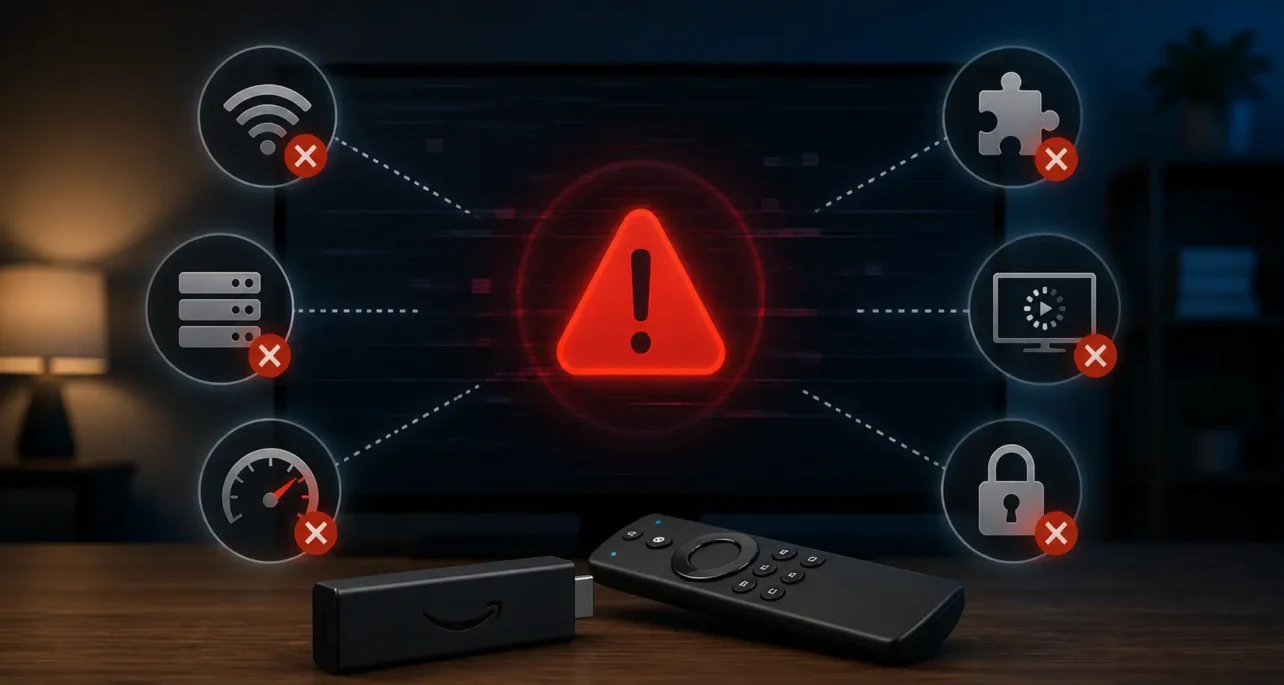
A newly discovered Linux vulnerability, identified as CVE-2026-31431, has raised concerns across multiple industries — including IPTV services. Since many IPTV providers rely on Linux-based servers to stream content, any serious security flaw can potentially impact service stability, availability, and even user access.
But what does this actually mean for IPTV users? Should you be worried about your service going offline, buffering more often, or exposing your data?
In this guide, we’ll break everything down in simple terms — what the vulnerability is, how IPTV servers are affected, and what you should realistically expect as a user.
What Is CVE-2026-31431?
CVE-2026-31431 is a security vulnerability discovered in Linux-based systems. Vulnerabilities like this are cataloged under the Common Vulnerabilities and Exposures (CVE) program, which tracks publicly disclosed cybersecurity issues.
While technical details can vary, Linux vulnerabilities typically allow attackers to:
- Gain unauthorized access to servers
- Execute malicious code remotely
- Disrupt system operations
- Exploit weak configurations
Because Linux powers a huge portion of global servers — including streaming infrastructure — vulnerabilities like this can have widespread implications.
Why IPTV Services Use Linux Servers

Most IPTV providers run their infrastructure on Linux-based systems, often using distributions like Ubuntu Server or Debian.
There are several reasons for this:
- High performance for streaming workloads
- Stability and uptime reliability
- Cost efficiency compared to proprietary systems
- Flexibility for custom streaming setups
According to Red Hat, Linux is widely used for web servers, media streaming, and cloud infrastructure — which is exactly where IPTV systems operate.
This is why any Linux vulnerability can directly or indirectly impact IPTV providers.
How CVE-2026-31431 Could Affect IPTV Servers
While not every vulnerability leads to real-world damage, there are several ways this issue could affect IPTV services if not patched properly.
1. Server Downtime
If attackers exploit the vulnerability, IPTV servers could crash or be taken offline temporarily.
- Channels may stop loading
- Apps may show connection errors
- Users may experience complete service outages
2. Increased Buffering and Lag
Even without a full attack, system instability caused by vulnerabilities can degrade performance.
- Slower stream loading times
- Frequent buffering
- Reduced stream quality
3. Unauthorized Access to Servers
In more serious cases, attackers could gain access to IPTV infrastructure.
- Streams could be disrupted or manipulated
- Services could be temporarily shut down
- Backend systems could be compromised
4. Forced Server Maintenance
Even without an attack, providers may take servers offline to apply security patches.
- Scheduled downtime
- Temporary service interruptions
- Short-term instability
What IPTV Users Might Notice

If an IPTV provider is affected by a vulnerability like CVE-2026-31431, users may experience:
- Channels not loading
- Playback errors
- Sudden disconnections
- Login issues
- Apps failing to fetch playlists
These symptoms often look like common IPTV issues, which is why many users don’t realize they may be linked to server-side problems.
Is Your Personal Data at Risk?
For most IPTV users, the risk to personal data is relatively low — especially if you are only using basic login credentials (username/password or M3U link).
However, if a provider stores sensitive data insecurely, there could be some risk depending on the severity of the vulnerability.
Organizations like the Cybersecurity and Infrastructure Security Agency (CISA) emphasize the importance of secure server configurations to prevent data exposure.
That said, most IPTV disruptions from vulnerabilities are related to performance and uptime — not user data leaks.
What IPTV Providers Usually Do in These Situations
When a vulnerability is discovered, IPTV providers typically take immediate action to protect their systems.
Common provider responses:
- Applying security patches
- Restarting or migrating servers
- Blocking suspicious traffic
- Upgrading infrastructure
These actions can temporarily affect service, but they are necessary to ensure long-term stability.
What You Can Do as an IPTV User
While server-side issues are out of your control, there are still steps you can take to minimize disruption.
1. Be Patient During Outages
If your IPTV suddenly stops working, it may be due to maintenance or security fixes.
2. Avoid Repeated Logins
Constantly retrying logins during downtime can sometimes lock your account or trigger security limits.
3. Use a Stable IPTV App
Reliable apps can handle temporary server interruptions better and reconnect faster.
4. Use a VPN (Optional but Helpful)
VPNs can help maintain stable connections and avoid ISP-related issues.
You can read more about internet traffic management from the Electronic Frontier Foundation.
5. Stay Updated with Provider Announcements
Many IPTV providers share updates through Telegram or support channels.
Common Misconceptions About IPTV and Security Issues
“All IPTV services will go down”
No — only unpatched or poorly managed servers are at risk.
“This means IPTV is unsafe”
Not necessarily. Like any online service, security depends on how systems are managed.
“Users need to fix something”
Most of the time, these are server-side issues — not something you can fix on your device.
Why These Issues Are Becoming More Common
As IPTV grows in popularity, it also becomes a bigger target for:
- Cyberattacks
- Server exploitation attempts
- Infrastructure stress
Security vulnerabilities are a normal part of any online system, especially those handling high traffic and media streaming.
Should You Be Concerned?
In most cases, there’s no need to panic.
Vulnerabilities like CVE-2026-31431 are taken seriously by providers, and patches are usually released quickly. The biggest impact for users is typically short-term interruptions rather than long-term issues.
Final Thoughts
CVE-2026-31431 highlights how important server security is for IPTV services. Since these platforms rely heavily on Linux infrastructure, vulnerabilities can occasionally affect performance, uptime, and stability.
For users, the key takeaway is simple:
- Most issues are temporary
- Providers usually resolve them quickly
- You don’t need to make major changes on your end
If your IPTV service stops working unexpectedly, it may not be a problem with your device — it could be related to backend updates or security fixes.
Understanding these factors helps you troubleshoot smarter and avoid unnecessary frustration.
FAQ
What is CVE-2026-31431?
It is a Linux security vulnerability that could affect servers, including those used by IPTV providers.
Can this vulnerability stop IPTV from working?
Yes, in some cases it can cause outages, buffering, or connection issues.
Do I need to fix anything on my Firestick?
No, this is usually a server-side issue handled by the IPTV provider.
Is my data at risk?
For most users, the risk is low, but it depends on how securely the provider manages their systems.

No comments yet